Description
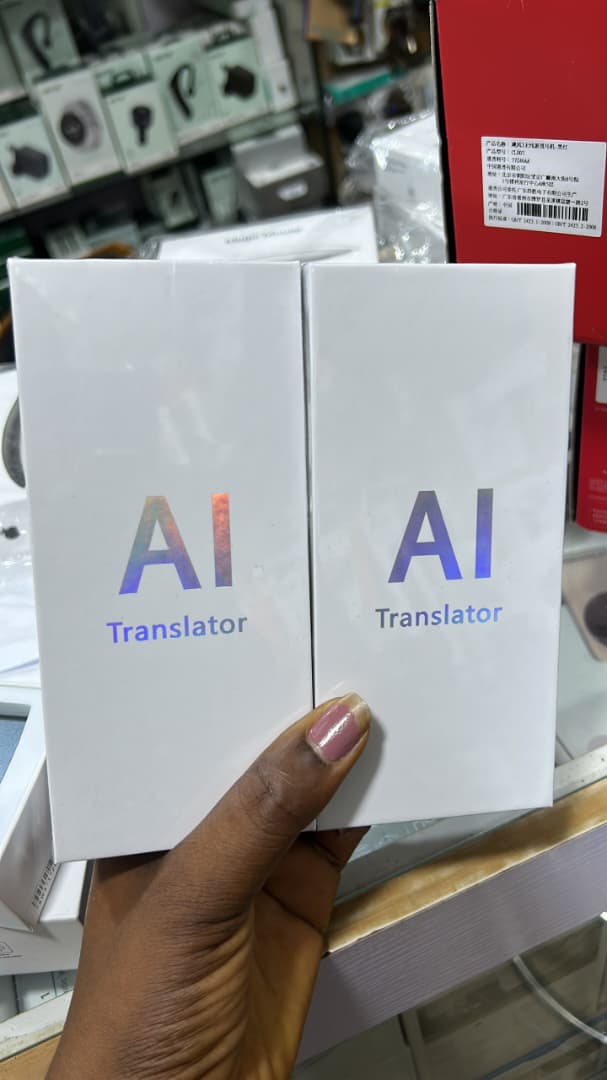
An AI Language Translator and Voice-Text Translator Device is a specialized piece of hardware powered by artificial intelligence designed to break down language barriers instantly. These portable gadgets or integrated systems allow travelers, business professionals, and multilingual groups to communicate seamlessly across dozens—or even over a hundred—different languages.
How It Works: The Core Technology
At its core, a hardware translation device integrates three distinct technological pillars:
-
Automatic Speech Recognition (ASR): High-sensitivity microphones capture the spoken audio and convert the sound waves into digital text. Advanced units use multi-microphone arrays and noise-cancellation algorithms to filter out background chatter.
-
Neural Machine Translation (NMT) / LLMs: The digital text is processed using powerful AI engines (often leveraging aggregated engines like Google, Microsoft, Baidu, or specialized Large Language Models like ChatGPT) to translate the context, idioms, and syntax accurately into the target language.
-
Text-to-Speech (TTS): The translated text is synthesized into a clear, natural-sounding human voice and projected through the device’s speakers.
Key Features of Modern AI Translators
-
Massive Language Coverage: Most modern devices support between 60 to over 140 languages and regional dialects, covering the vast majority of the world’s population.
-
Two-Way Instant Translation: Designed for face-to-face dialogue, users can press specific buttons (or let the AI auto-detect speech) to translate a conversation back and forth in real-time (often within 0.2 to 1 second).
-
Photo / OCR Translation: Equipped with built-in cameras, these devices can scan foreign text on menus, street signs, documents, or books, and instantly display localized translations on screen.
-
Online & Offline Modes: While cloud-based AI provides the highest accuracy and broadest vocabulary via Wi-Fi or built-in 4G LTE data, many premium models feature offline translation packages that store core language packs locally for use in remote areas without internet.
-
Recording & Transcription Translation: Useful for business meetings or lectures, these devices can record long-form speech, transcribe it in real-time, and export text files or translations for later review.
Form Factors & Categories
-
Handheld Pocket Translators: (e.g., Pocketalk, Vasco, iFLYTEK, Kentfaith)
-
Design: Smartphone-like miniature devices with touchscreens, dedicated dual-mic buttons, and robust battery life (typically 5 to 12 hours of continuous use).
-
Best For: Travelers, tourists, and individual business trips.
-
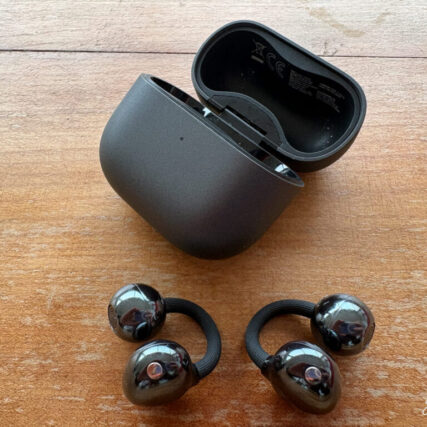
AI Translation Earbuds: (e.g., Timekettle, Google Pixel Buds)
-
Design: Wearable wireless earbuds that pair with a smartphone app for simultaneous, hands-free interpretation.
-
Best For: Natural, uninterrupted one-on-one conversations or media listening.
-
Group Broadcast Systems: (e.g., Retekess)
-
Design: A central transmitter unit used by a speaker that beams translated audio directly to dozens of lightweight earpiece receivers worn by an audience.
-
Best For: Guided tours, international factory visits, and multinational conferences.
Advantages Over Smartphone Apps
While free smartphone translation apps exist, dedicated AI hardware translator devices offer distinct advantages:
-
Dedicated Focus: No distractions, notifications, or battery drain from unrelated phone apps.
-
Superior Audio Pickup: Specialized dual or quad-microphone arrays outperform standard smartphone mics in noisy environments.
-
Global Connectivity: Many high-end units include global cellular data chips with international roaming coverage, eliminating the hassle of swapping local SIM cards or finding public Wi-Fi.